
Understanding First Aid Things and Their Importance
In any emergency, having a grasp of first aid things can be the decisive factor between life and death. This essential knowledge not only empowers individuals to respond effectively to accidents and injuries but also fosters a community of safety. Understanding the various components and techniques of first aid can transform an ordinary person into a potential lifesaver. When exploring options, first aid things offers comprehensive insights into the necessary skills and tools that can improve outcomes in critical situations.
What are First Aid Things?
First aid things encompass a variety of tools, supplies, and techniques designed to provide immediate assistance in medical emergencies before professional help arrives. This includes basic supplies like bandages, antiseptics, and gloves, along with life-saving skills such as CPR (cardiopulmonary resuscitation) and wound management. Understanding these components forms the foundation of effective emergency response and preparedness.
Key Benefits of First Aid Training
Investing time in first aid training comes with several benefits. Firstly, it instills confidence in individuals, enabling them to act decisively in emergencies. Moreover, trained individuals can help reduce the severity of injuries while waiting for professional medical assistance, often leading to better outcomes. Companies that provide first aid training to employees also enhance workplace safety, reducing the risk of liability and creating a more secure environment.
Common Misconceptions about First Aid
Despite its importance, many misconceptions surround first aid practices. One common belief is that first aid is only necessary for severe emergencies. In reality, even minor injuries can escalate if not treated promptly. Another misconception is that only medical professionals can administer first aid. However, anyone can learn and apply these skills effectively with proper training and practice.
Essential First Aid Kits: What to Include
A well-stocked first aid kit is a crucial element of any safety plan. It should be readily accessible and equipped to handle a variety of situations. Key components of a complete first aid kit include items for managing bleeding, fractures, burns, and allergic reactions. Regularly checking and updating your kit ensures that all supplies remain effective and ready for use.
Basic Supplies for Every Kit
- Adhesive bandages of various sizes
- Gauze pads and rolls
- Antiseptic wipes and creams
- Medical tape
- Scissors and tweezers
- Disposable gloves
- Instant cold packs
- First aid manual
Specialized Items for Specific Needs
Depending on individual or family health needs, specialized items should be included in first aid kits. For instance, if someone in the household has severe allergies, an epinephrine auto-injector should be part of the kit. Those with chronic health conditions might require additional medications or supplies tailored to their specific requirements.
How to Maintain and Update Your Kit
Keeping a first aid kit up to date is essential for ensuring its effectiveness. Regular checks should be conducted every six months to replace expired items, and it’s crucial to restock any supplies that may have been used. Familiarizing oneself with the contents of the kit and practicing how to use each item can significantly enhance one’s readiness for emergencies.
First Aid Techniques that Everyone Should Know
Mastering basic first aid techniques can save lives. Understanding how to assess an emergency, perform CPR, and treat common injuries prepares individuals to take action when it matters most. In addition to physical skills, mental preparedness is key in ensuring an effective response.
CPR and AED: Life-Saving Skills
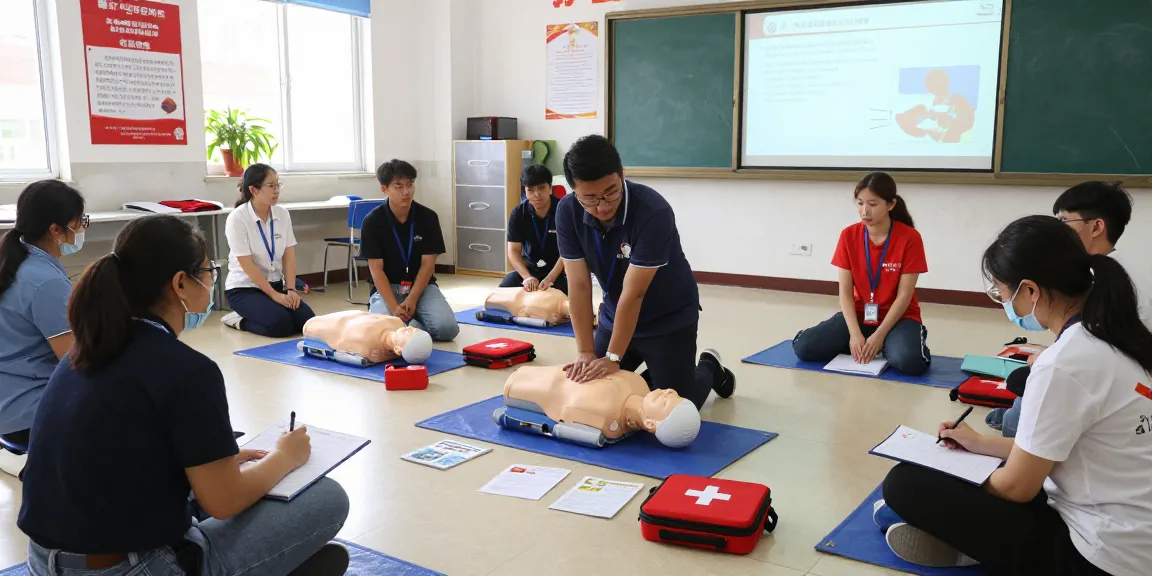
Cardiopulmonary resuscitation (CPR) is a crucial life-saving technique used when someone’s heart stops beating. When performed correctly, CPR can keep blood and oxygen flowing to vital organs until emergency services arrive. In addition to CPR, familiarity with Automated External Defibrillators (AEDs) can further enhance survival rates in cases of cardiac arrest.
Managing Common Injuries and Emergencies
Everyday injuries, from cuts and burns to sprains, can be effectively managed with first aid knowledge. Knowing how to clean wounds and apply dressings correctly can prevent infection. It’s also vital to recognize when to seek medical attention for more serious injuries or illnesses.
Responding to Allergic Reactions and Anaphylaxis
Allergic reactions can range from mild to life-threatening. Understanding how to use an epinephrine auto-injector and recognizing the signs of anaphylaxis are critical skills for anyone who may encounter someone with severe allergies. Rapid intervention can mean the difference between life and death.
First Aid Training Resources and Certification
Access to quality training resources is crucial for anyone looking to learn first aid. Various organizations offer both online and in-person training programs. Identifying the right course can enhance learning experiences and ensure that individuals gain the skills necessary to respond effectively in emergencies.
Choosing the Right Training Course
When selecting a first aid training course, consider the instructor’s credentials, the curriculum offered, and the course format. Look for courses that offer hands-on practice, as this can significantly bolster retention and confidence in applying first aid skills.
Online vs. In-person Training: Pros and Cons
Online courses provide flexibility and convenience, allowing participants to learn at their own pace. However, in-person courses offer valuable hands-on experience, which is critical for mastering certain techniques. Weighing these factors is key to choosing the best format for individual learning preferences.
Staying Current with First Aid Certification
First aid certifications typically have an expiration date, often ranging from one to three years. Staying current with certification not only ensures that skills remain sharp but also keeps individuals up-to-date with the latest practices and recommendations in first aid.
Future Trends in First Aid Practices and Training
As technology continues to evolve, the landscape of first aid practices and training is also changing. Innovations such as virtual reality simulations and mobile applications are becoming integral to training programs, allowing users to practice skills in realistic environments.
Innovative Technologies in First Aid Training
Emerging technologies are enhancing first aid training by providing interactive and engaging learning experiences. For instance, VR simulations can place trainees in realistic emergency scenarios, allowing them to practice their responses in a controlled environment. Such innovations could lead to improved retention and application of skills.
The Role of Telemedicine in Emergency Care
Telemedicine is transforming the way individuals access medical assistance in emergencies. With the ability to consult with healthcare professionals via video calls, individuals can receive immediate guidance on first aid measures or learn how to manage specific medical issues on the spot.
Predictions for First Aid Education in 2026
Looking ahead to 2026, it is anticipated that first aid education will become more widely integrated into school curriculums and community programs. Emphasis on mental health first aid is also expected to grow, highlighting the importance of addressing psychological emergencies alongside physical injuries.
What is the best first aid kit for home use?
The best first aid kit for home use should be comprehensive and tailored to the specific needs of the household. It should include a variety of supplies for everyday injuries, as well as specialized items for chronic health conditions. Regularly updating the kit ensures that it meets the demands of any situation.
How often should I update my first aid kit?
It is advisable to check and update your first aid kit every six months. This includes replacing expired items, restocking used supplies, and evaluating the kit’s contents based on current needs.
What should I do if I witness an emergency?
If you witness an emergency, first ensure your safety and then assess the scene. Call emergency services immediately, provide first aid if you are trained, and stay with the victim until professional help arrives. Your calm presence can be reassuring, helping to stabilize the situation until help is available.
Are online first aid courses effective?
Online first aid courses can be highly effective if they offer comprehensive content and incorporate interactive elements such as quizzes and video demonstrations. However, consider supplementing online learning with hands-on practice to fully master essential skills.
How can I ensure my family members know first aid techniques?
Encouraging family members to participate in first aid training together can foster a culture of safety. Regular practice of techniques and discussions around first aid topics can help ensure that everyone feels confident and ready to act in an emergency.
